Barristers
Mireama Houra
Monir Hossain is a barrister admitted to the Bar in 2015 and based in Wellington.
He holds an LLB (Hons) from the University of London, an LLM from Northern University Bangladesh, and a Graduate Diploma in Law from the University of Auckland. Monir is also admitted as a Legal Practitioner of the Supreme Court of New South Wales.
Drawing on extensive experience in civil, criminal, Waitangi Tribunal litigation, along with immigration law. Monir delivers clear, practical and compassionate legal support. He spent eight years as an Advocate in the Supreme Court of Bangladesh, developing robust litigation skills in a dynamic common law setting. In New Zealand, he has honed his abilities in precise legal drafting, effective tribunal advocacy, and nurturing strong, trusting client relationships.
Monir loves making the most life with his family, solo riding his red bike, playing cricket, taking easy weekend drives with his wife and two young children.


Monir Hossain
Tēnā Koutou,
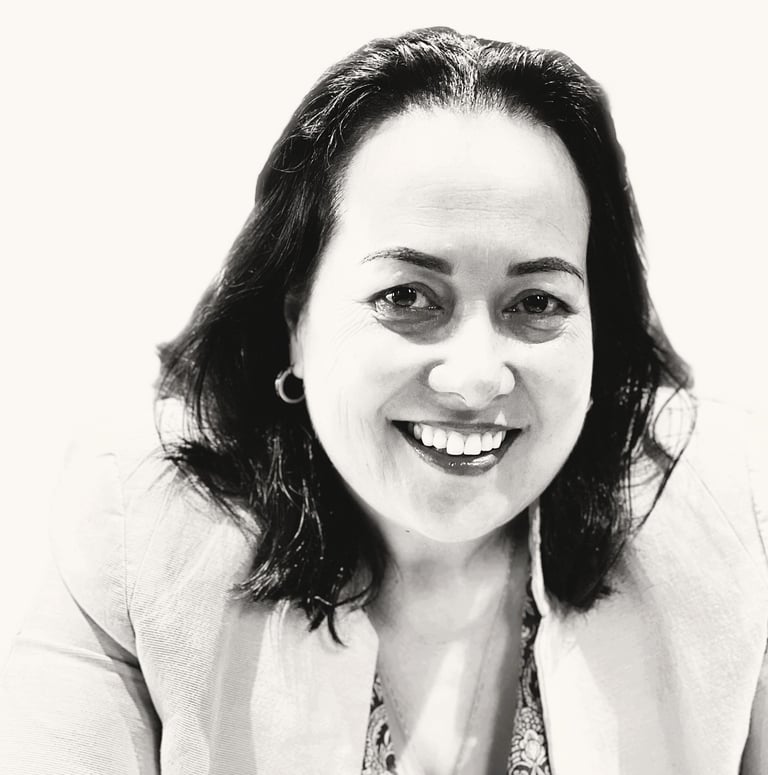
Mireama Houra is a Barrister and her field of expertise cover Indigenous Human Rights and Constitutional law, Comparative indigenous Governance and at national state level Public, Civil and Criminal law. These include, representing claimants and appearing in the Maori Land Court, Waitangi Tribunal, Appellate Court, Civil and Criminal proceedings. Her Chambers Te Pātaka O Te Mana Tangata Chambers Limited is based in Tāmaki Makaurau.
Her involvement in Maori Land Court and Treaty work has so far embraced representing claimants before the Waitangi Tribunal in several inquiries beginning in 2009 with the East Coast Inquiry, Te Rohe Potae (Waikato), Te Paparahi o Te Raki (Ngapuhi) Inquiry Districts and Porirua ki Manawatu Inquiry Districts.
In 2017 Mireama represented MACA Applications with co-counsel pursuant to The Marine and Coastal Area (Takutai Moana) Act 2011 brought on behalf of several coastal hapū and iwi in Tairawhiti whose objective continues to uphold their respective rangatiratanga over their rohe moana that was guaranteed to them under Te Tiriti and Te Wakaminenga to be honoured and recognised by the Crown.
Mireama has an interest in indigenous Governance and constitutional reformation specifically, equality that is concerned with the recognition of indigenous peoples inherent, treaty and cultural rights. The substantive areas of interests include;
the recognition of indigenous peoples’ customary law;
the right to redress for takings of indigenous cultural, intellectual, religious or spiritual property;
indigenous peoples’ rights to their lands, including spiritual ties to ancestral lands traditionally owned, occupied and used, recognition of indigenous land tenure systems, the right to own and control their lands, self- governance to territories and resources for their present and future needs;
Indigenous people’s cultural rights in political, social and economic development in governance between Native nations, national, state and local governments. How Indigenous nations can be treated as sovereigns by others.
Mireama is a proud and loving grandmother who finds deep joy and relaxation in playing her beloved saxophone. To refresh and reset, she cherishes every moment gathering kaimoana with whānau across Te Tau Ihu, Tōtaranui the Sounds, and cruising peacefully on her boat, embracing the beauty and respect of Tangaroa.
Contact
+64 22 351 3425
mireama@tepaatakachambers.com
© 2026. All rights reserved.
+64 27 578 0010
monir@tepaatakachambers.com